Attractor Labs

Use cases·Wearables

Spatially intelligent wearables.

Today’s voice-AI agents listen to conversations and assist us based on what we tell them. But they are not aware of what is actually happening in the physical world around us. Luckily, sound captures a lot of information about our surroundings, so no need for a camera. We call it personalized acoustic spatial intelligence: one that enables agents embedded in wearables to perceive, track, remember, and reason about the world through sound.

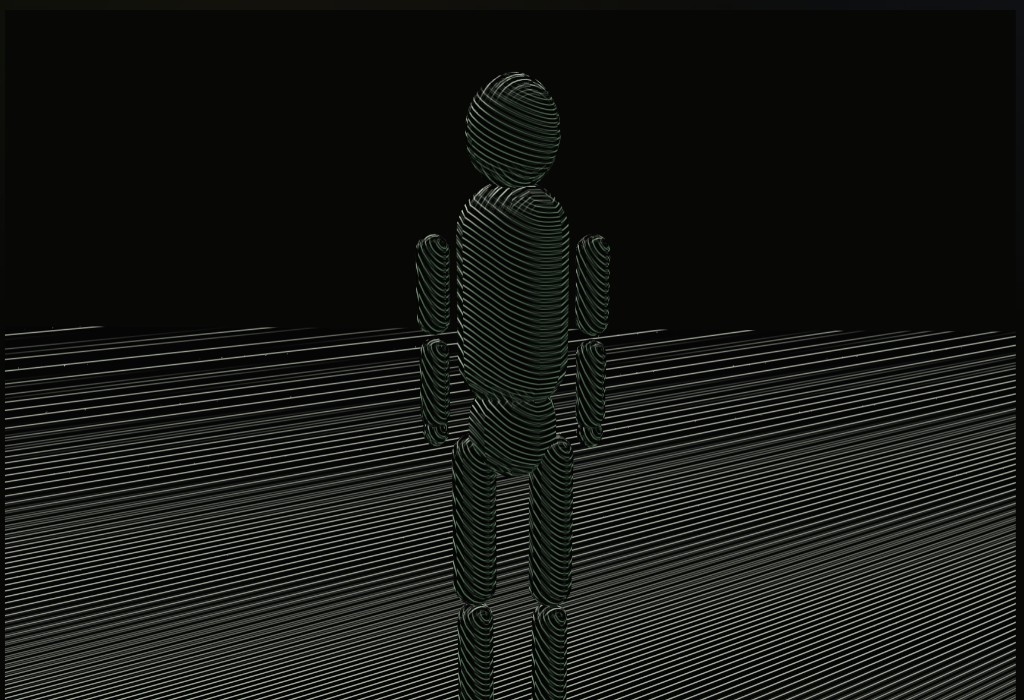
A person heard as contour lines in space.

Listen to some examples:

The Spatial Audio World Model makes sense of this world. It perceives what is around you, and where it is. It keeps a spatial intelligence of that as you move. It remembers. And it reasons about what is going on.
Perception

It hears what is surrounding you. How you breathe. Who is talking to you. Inside or outside, a loud place or a quiet one, a small room or a large one. The sound of where you are is part of why you might feel the way you feel.

  • Did you hear someone behind the door?
  • How many birds do you hear?
  • Can you translate for me?

Spatial intelligence

Movement agnostic. Still or walking, what is ahead, what is beside you, and what you have already passed stay distinct. Fixed things stay fixed. Moving things move.

  • What’s approaching from behind me?
  • Who is talking on my left?
  • Which way did mom drive to when she left the house?

Auditory memory

It remembers the event, the place, and the time. A familiar voice stays a person.

  • Where did I drop my keys?
  • What was that sound, just now?
  • What did Laia ask me to do, again?

Complex reasoning

A voice agent on steroids: it knows what is going on. It ties sounds to people, places, and moments, and answers from that.

  • Who was the person clapping the loudest?
  • What was the person talking about in front of me, slightly on the left, during the meeting?
  • Did that knock come from the front door or the door on the right side of the house?